Assessment
CLOSE
Search


Assessment






Meal Plans


Superfoods to Support the Brain
Your brain needs healthy foods. What we eat affects how we think and how we feel. There’s even evidence that consuming certain foods may help protect the brain. But no one food will prevent dementia or protect memory as we age — the brain needs a variety of fruits, vegetables, proteins and carbohydrates to function best. Check out these foods, recipes, videos and more to help create your own “super-diet.” Make sure you talk to your doctor about any changes to your diet.

10 Terrific Foods for Brain Health
Packed with healthy fats, vitamins, minerals, micronutrients and antioxidants, these nutrition boosters could be great additions to your diet.

1. Kale
Nutrients in this long-stemmed leafy green may help slow the loss of memory and thinking skills that typically come with age.

2. Eggs
Egg yolks are rich in vitamin D, which research has found may help protect against memory loss and forgetfulness.

3. Avocados
This fruit provides B vitamins that studies have found may boost mood, reduce anxiety and relieve irritability.

4. Lemons and Limes
A naturally occurring compound in citrus fruits may help safeguard the brain's nerve cells.

5. Walnuts
Munching on walnuts may help enhance mental abilities such as thinking and reasoning.

6. Beans
Black, green, white or spotted beans contain a folate (vitamin B9) that may help guard against memory loss.

7. Blueberries
Brightly colored berries play a role in improving communication between brain cells.

8. Rolled Oats
Rolled oats and other whole grains provide a steady supply of glucose to fuel the brain.

9. Extra-Virgin Olive Oil
Compounds found in this oil may increase mental focus and slow a decline in thinking skills, researchers say.

10. Coffee and Tea
Several studies suggest that these freshly brewed drinks may slow brain aging, improve mood and protect memory.
- Food 1
- Food 2
- Food 3
- Food 4
- Food 5
- Food 6
- Food 7
- Food 8
- Food 9
- Food 10
Recipes
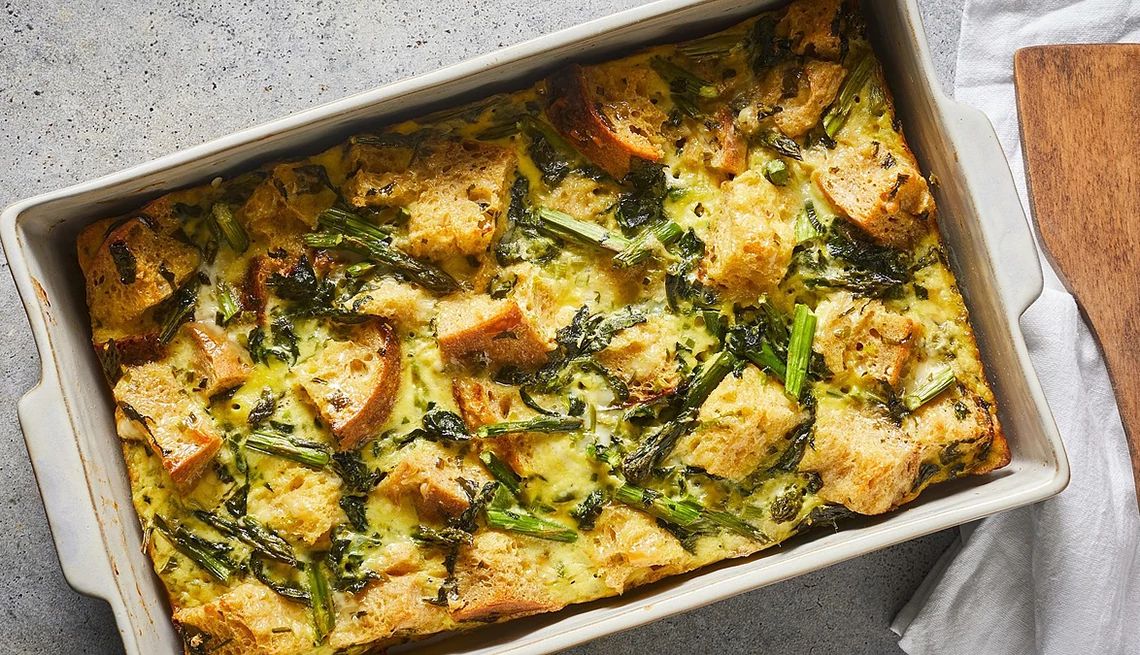
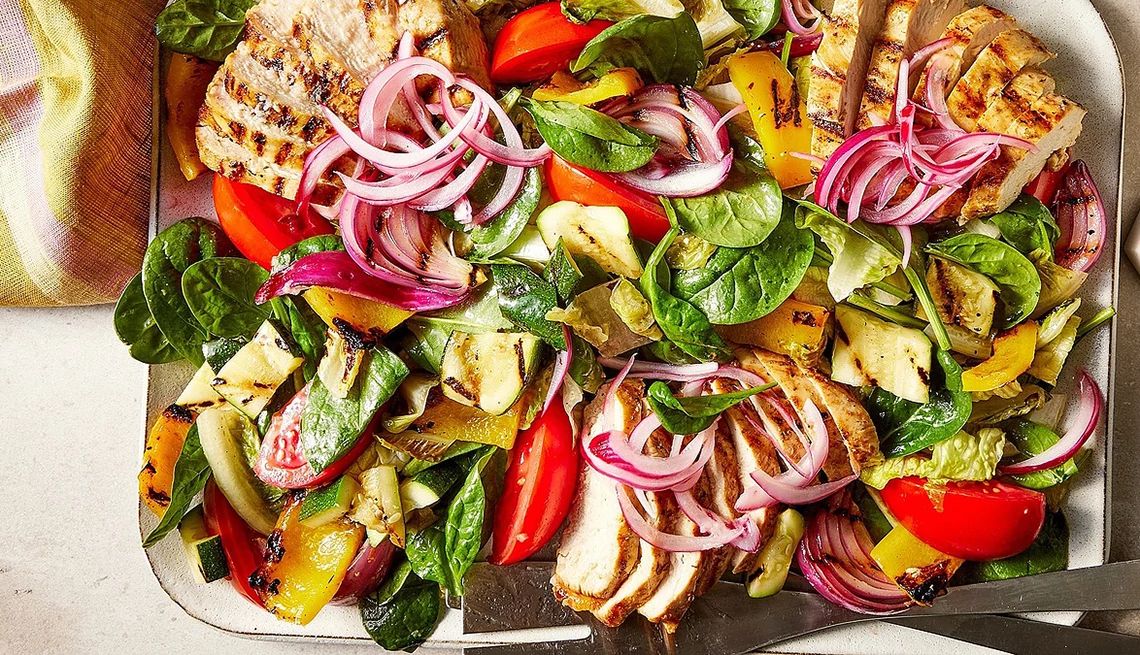
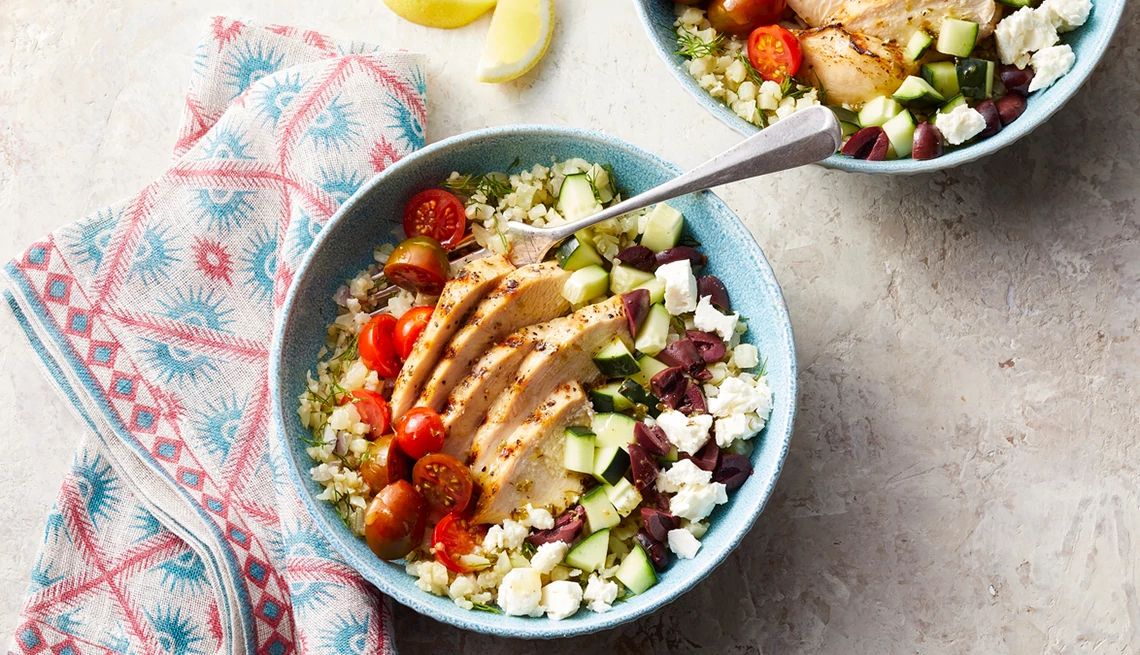
Colorful vegetables, tangy fruits, whole-grain breads, eggs and more should be a routine part of your daily fare. Here are some delicious ways to get started.


Eat Right for Brain Function, Health and Memory
Discover how the right foods can help reduce inflammation, balance your gut and strengthen the immune system. Plus, learn how to make healthy, delicious choices.


More Content to Explore


Want to read more? Create a FREE account on aarp.org.
A healthy lifestyle helps protect the brain. Make brain health a habit and register on aarp.org to access Staying Sharp.
Not Registered ? Create Account