














Javascript is not enabled.

Javascript must be enabled to use this site. Please enable Javascript in your browser and try again.

Skip to content
Content starts here
CLOSE ×
Search

UHCRA

Prudential

One Pass

MS15

Leaving AARP.org Website

You are now leaving AARP.org and going to a website that is not operated by AARP. A different privacy policy and terms of service will apply.

What One Small Food Slip Can Affect Your Focus?

In a study of midlife adults, modest daily exposure to ultra-processed foods was associated with reduced attention, even among healthy eaters


A woman reaching for a potato chip out of a bowl with a glass of soda in her other hand
boonchai wedmakawand/Getty Images

Next time you find yourself reaching for that cup of instant noodles, you might want to think again.

New research suggests that even those who eat healthfully most of the time may be vulnerable to impaired focus and higher dementia risk from eating ultra-processed foods, for example, potato chips, packaged cookies or sugary soft drinks — and that it doesn’t take much.

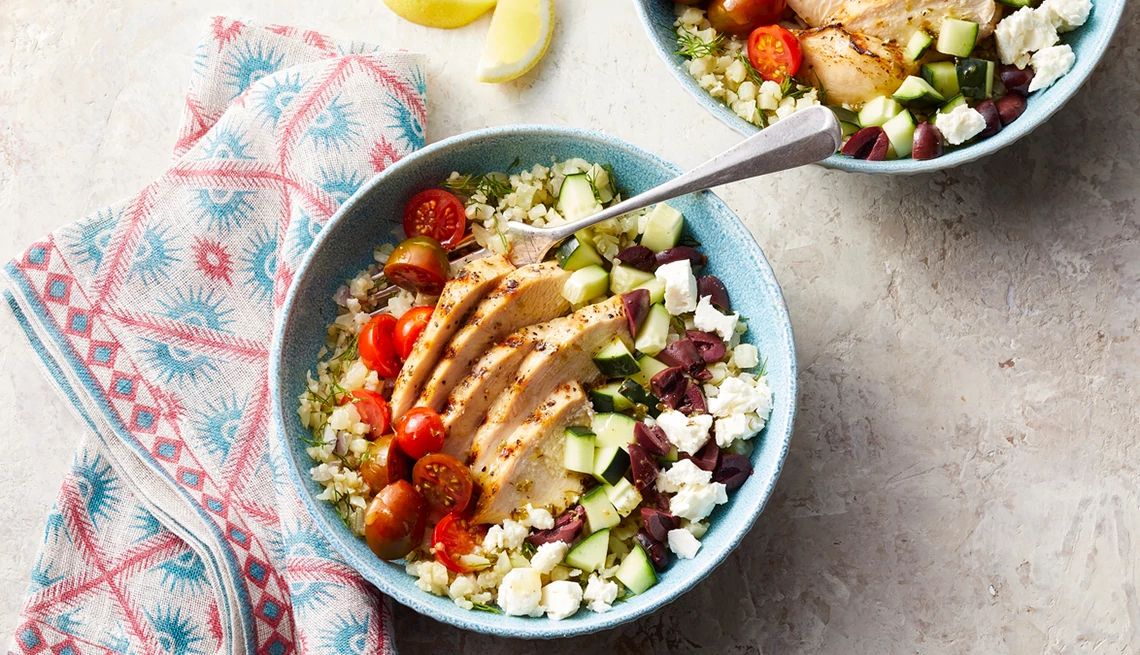
The study found that even for those who, for example, followed the Mediterranean or DASH diets, a lapse into some ultra-processed eating had a negative impact. Eating Mediterranean means a focus on plant-based foods: fruits, vegetables, whole grains, nuts, beans and olive oil.

“We were able to sort of separate food processing from food quality,” says study author Barbara Cardoso, senior lecturer in the department of nutrition, dietetics and food at the Victorian Heart Institute at Monash University in Melbourne.

The study found that even a slight daily increase of ultra-processed foods, 10 percent, was associated with a measurable decrease in attention span. That’s about one packet of chips or a single cup of packaged instant noodles. The researchers did not find an association between the highly processed foods and memory.

“The message is not to discourage the consumption of a healthy Mediterranean diet,” Cardoso says. “The message is to adhere to a healthy diet and reduce the consumption of ultra-processed foods. A way of doing that is … increasing the consumption of veggies, fruits and whole foods, but also … more home-cooked meals.”

 Heavy reliance on ultra-processed foods

The study published in 2026 in Alzheimer’s & Dementia: Diagnosis, Assessment & Disease Monitoring, a journal of the Alzheimer’s Association, examined the diets and cognitive health of more than 2,100 dementia-free adults in Australia, ages 40 to 70. Participants consumed roughly 41 percent of their daily energy from ultra-processed foods, closely mirroring the national Australian average of 42 percent, according to the researchers.

That’s much lower than the typical U.S. diet, says food scientist Michael Jacobson, former director of the Center for Science in the Public Interest. Ultra-processed foods typically make up more than 60 percent of the average American diet, he says.

This was a cross-sectional study, “meaning that all assessments were done at one point only,” Cardoso says. “This sort of study provides a snapshot only, rather than a time-dependent association.”

Each participant filled out a “food frequency” questionnaire that covered participants’ diets during the previous year. Then, foods were classified into groups based on their industrial processing, rather than nutrients. Cognitive function was measured, as was dementia risk based on midlife cardiovascular risk factors and lifestyle choices.

“This study is important because it adds to the growing body of evidence that a higher intake of ultra-processed foods is associated with a higher risk of cognitive decline, which is often considered a precursor to the development of dementia,” says Dr. W. Taylor Kimberly, chief of the division of neurocritical care at Mass General Brigham, and professor of neurology at Harvard Medical School. While the study did not find an association with memory loss, attention span is the foundation for many important brain operations, such as learning and problem-solving, according to the researchers.

Kimberly, who was not involved in the study, praised the researchers for drawing a distinction between diet quality and the degree of food processing, pointing out that diets, such as DASH and Mediterranean, recommend foods considered healthy, but don’t characterize the degree of processing those foods might undergo.

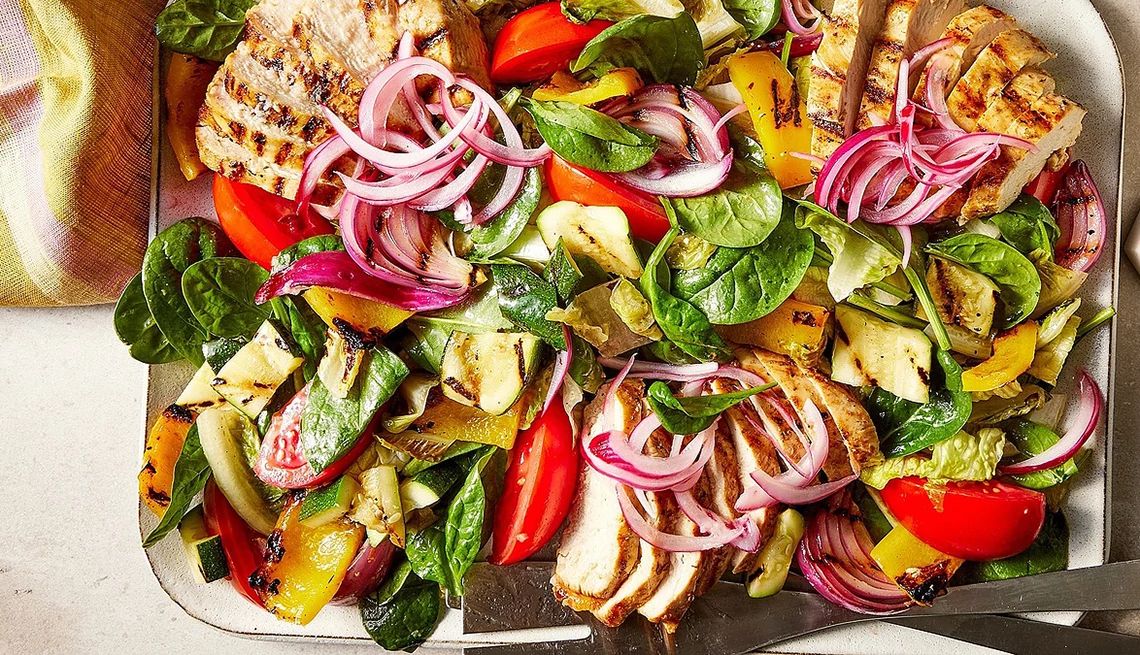
Grilled chicken breast, for example, which is unprocessed, “would be a good choice from a diet quality perspective,” whereas chicken nuggets, which are ultra-processed, would not, he says.

“Food ultra-processing often destroys the natural structure of food and introduces potentially harmful substances like artificial additives or processing chemicals,” Cardoso says. “These additives suggest the link between diet and cognitive function extends beyond just missing out on foods known as healthy, pointing to mechanisms linked to the degree of food processing itself.

“We can speculate that they can be driven by the substances added to ultra-processed foods during the processing,” she adds. “These substances seem to interact with the gut microbiome and the endocrine system, which can lead to negative brain outcomes.”

Eating a diet heavy in ultra-processed foods — often high in sodium, unhealthy fats and sugar — has been linked to hypertension, cardiovascular disease, obesity and type 2 diabetes, all risk factors for dementia.

“We know that conditions that worsen your glycemic control, like diabetes, or elevate your blood pressure, like hypertension, are also associated with dementia,” says Dr. Christine E. Kistler, associate professor in the division of geriatrics at the University of Pittsburgh, who was also not involved in the study.

 “It seems likely that preventing cardiovascular disease will help the brain’s vascular system and help prevent dementia,” she adds. “I think it is likely that avoiding ultra-processed foods and focusing on a plant-based diet that has limited additional salt or saturated fats is good for the brain.”

Cardoso suggests that consumers curb their intake of ultra-processed foods as much as they can. “Based on our findings, I can’t precisely say how much is OK, thus I encourage reducing as much as possible,” she says.

“Reducing their consumption would benefit not only cognitive health, but also metabolic and mental health,” she adds. “It is never too late to improve your diet - the sooner people start making changes, the better.”

Get instant access to members-only products and hundres of discounts of discounts, a free second membership, and a subscription to AARP The Magazine.