















Javascript is not enabled.

Javascript must be enabled to use this site. Please enable Javascript in your browser and try again.

Skip to content
Content starts here
CLOSE ×
Search

UHCRA

Prudential

One Pass

MS15

Leaving AARP.org Website

You are now leaving AARP.org and going to a website that is not operated by AARP. A different privacy policy and terms of service will apply.

Hormone Therapy and Your Brain: What You Need to Know

Recent evidence argues against the use of hormone therapy, except in early or premature menopause, to prevent dementia in most women


A woman in menopause sticks a transdermal patch on the skin
MStudioImages/Getty Images

Key takeaways

  • Brain fog affects about 60 percent of women during the menopausal transition and is not a sign of future dementia.
  • For women who experience early or premature menopause, estrogen therapy until the average age of menopause may protect cognition.
  • Across large trials, menopausal hormone therapy does not appear to reduce or increase long-term dementia risk for most users, although starting after age 65 may increase dementia risk.

In 1992, a hormone replacement therapy called Premarin, was the most common prescription in the United States. Women flocked to this remedy to help them reduce problematic menopause symptoms, such as hot flashes and sleep problems. They also relied on the drug to potentially help prevent heart disease and dementia.

Then, in the early 2000s, the Women’s Health Initiative (WHI), a large-scale randomized clinical trial designed to study hormone therapy in postmenopausal women, was halted due to early results that suggested the health risks outweighed the benefits. The related Women’s Health Initiative Memory Study (WHIMS) also ended. Prescription rates plummeted.

It turns out the problem with the WHI was not necessarily the hormone therapy but the study’s design. Most of the participants were more than a decade past their final menstrual period and menopause-related symptoms.

Newer studies show that the benefits outweigh the risks for women under 60 or within 10 years of menopause onset without contraindications. Plus, newer delivery methods and formulations with fewer health risks that can be personally tailored to an individual’s needs are now available.

But the damage of the headline-grabbing results lasted for a couple of decades. Then, in November 2025, the U.S. Department of Health and Human Services announced it would remove the “black box” warning that alerted users of the elevated risk for breast cancer, cardiovascular disease, stroke and dementia.

Now with the increasing use of hormone replacement therapy, also called menopausal hormone therapy (MHT), more women are left wondering whether MHT is safe for their brain. Research has provided conflicting results around that question and whether MHT can protect against memory loss, but helpful guidelines are emerging.

Brain fog and brain drain​

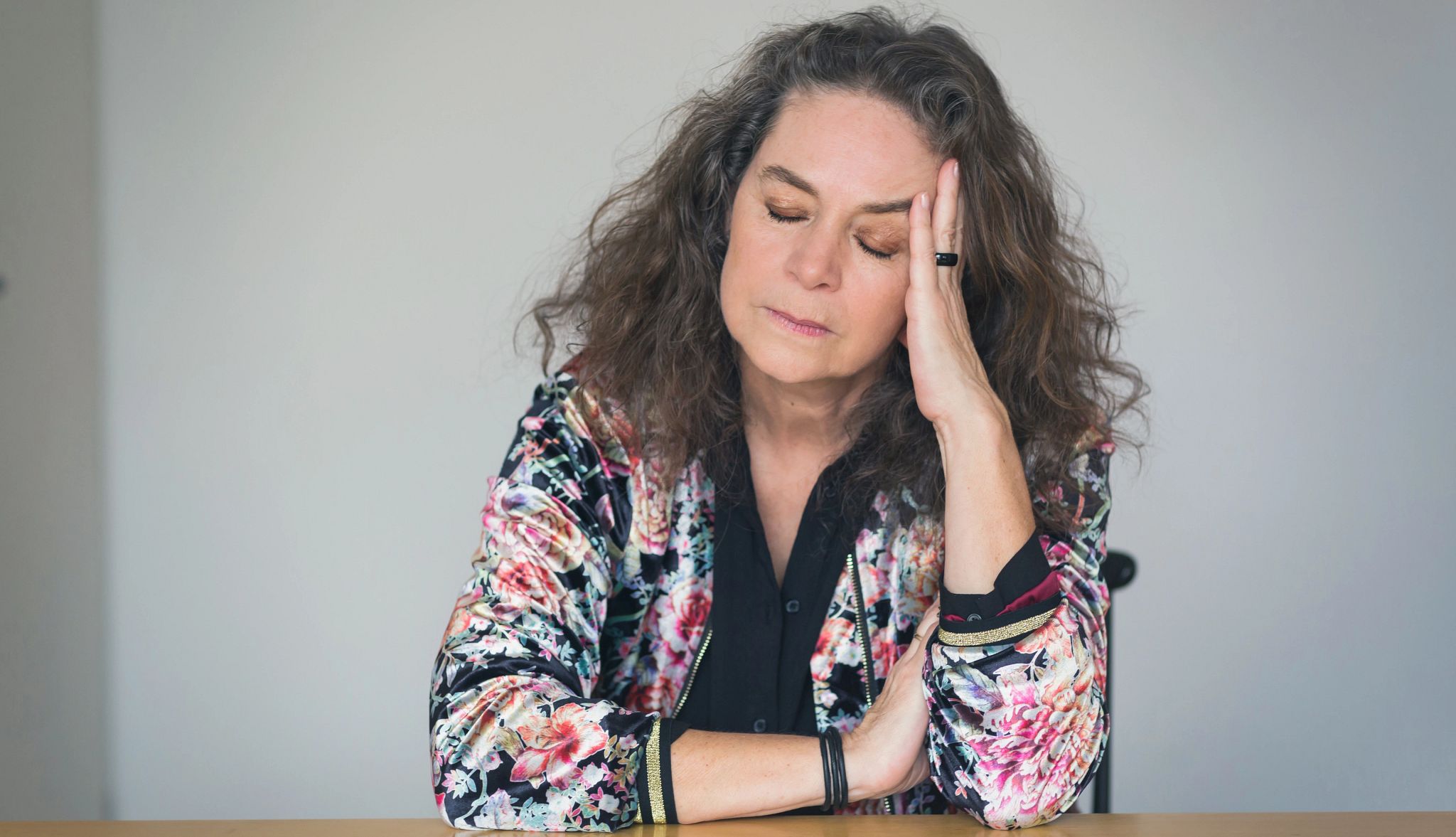
During the menopausal transition, about 60 percent of women report cognitive complaints such as memory, focus and attention issues. These cognitive symptoms are collectively referred to as “brain fog.” Dr. JoAnn V. Pinkerton, professor of obstetrics and gynecology and division director of midlife health at the University of Virginia, says her patients describe it as feeling like they’ve got cotton candy in their brains.

“The most important thing I tell them is that brain fog during the menopausal transition and early menopause years is not an indication of dementia or an indication that you’ll get dementia or Alzheimer’s later in life,” she notes. ​

It’s not surprising, though, that women would suspect that midlife memory issues could be an early indication of later-in-life dementia since women are twice as likely to develop Alzheimer’s disease as men. One theory for the discrepancy is the drop in estrogen levels that occurs with menopause. Estrogen is thought to protect neurons in the brain.

Another theory, says Pauline M. Maki, professor of psychiatry, psychology and obstetrics & gynecology at the University of Illinois at Chicago, is that hot flashes cause cognitive changes. In a study published in Neurology in 2022, increased hot flashes were linked with a brain biomarker that has been linked to an increased risk of stroke, Alzheimer’s disease and cognitive decline.

Hormone therapy, although currently not recommended to treat cognitive issues or for dementia prevention, effectively treats hot flashes, mood swings and sleep disturbances that contribute to brain fog, helping reduce issues for many women. So MHT is useful for key menopause symptoms, but what about its long-term impact on the brain? It depends.​

Hormone therapy for early menopause

​I​n the United States, the average age of menopause is 51. Menopause before 45 is considered early menopause, and before 40, it’s premature menopause. About 10 percent of women experience early or premature menopause due to either natural or medical reasons, such as when the ovaries are removed or as a result of cancer treatment.

While studies reveal conflicting findings regarding MHT use and brain health during natural menopause, there is general agreement that MHT is beneficial for brain health in women who experience early or premature menopause.​

A UK Biobank study published in 2023 in Human Reproduction reported that women who experienced natural menopause before age 45 had a higher risk of all-cause dementia than women who experienced menopause after 45.

During natural menopause, a woman’s hormone levels fluctuate and slowly decline. With early or premature menopause, the hormone decline is steeper, and symptoms are generally more intense. “Women who have surgical menopause have a more dramatic lowering of hormone levels because they were younger and had more ovarian function, and then it abruptly stops,” Pinkerton says.​

Fortunately, MHT can help. Researchers found that women treated with estrogen therapy after their ovaries were removed before the age of natural menopause did not have the same risk of cognitive decline and late-life dementia as women not treated with estrogen.

In the case of early menopause, with or without symptoms, Pinkerton says there are clear benefits to taking MHT — estrogen only in cases where the uterus was removed and estrogen plus progesterone in cases where the uterus is intact. MHT is suggested until the average age of natural menopause to protect against heart disease, bone loss and cognitive changes.

The caveat is that MHT is not usually recommended for those who have a history of estrogen-sensitive cancers, stroke, heart attack, blood clots or liver disease.

Hormone therapy for natural, average-age menopause

Most women reach natural menopause between the ages of 45 and 58. Most, about 85 percent, experience hot flashes and night sweats, although they vary in duration, type and intensity.

MHT is the most effective treatment for women experiencing problematic symptoms, particularly hot flashes and night sweats. It can also improve sleep and mood in some cases. Alleviating these issues can help improve cognitive problems.

“Hormone therapy not only treats hot flashes and night sweats but also improves sleep quality and duration, and that’s, overall, healthy for your brain,” Pinkerton says. “I have patients who tell me that [hormone therapy] helps them sleep and feel better, which helps them focus and concentrate better.”

And while some studies suggest that early MHT may offer cognitive benefits, stabilized moods, improved memory, and decreased risk of dementia, numerous large-scale studies have found that hormone therapy is neither harmful nor helpful when it comes to dementia risk.

These studies, which include Kronos Early Estrogen Prevention Study (KEEPS) Continuation, Early Versus Late Intervention Trial with Estradiol (ELITE), Cognitive Complaints in Early Menopause Trial (COGENT) and the WHI Memory Study of Younger Women (WHIMS-Y), generally found neutral cognitive outcomes across the specific ages, formulations and methods of delivery (oral or transdermal) that were tested.

​“There is a lot of chatter on social media that hormone therapy should be used to prevent dementia, but recent studies argue against its use for that purpose,” Maki says. She points to recent studies that found no effect of MHT on markers of Alzheimer’s disease, the most common form of dementia, whether measured in the blood or brain.

One study published in February 2026 in Alzheimer’s & Dementia: The Journal of the Alzheimer’s Association looked at structural brain changes and biological markers of Alzheimer’s, including brain PET scans, in women who took progesterone with oral estrogen or transdermal estrogen or a placebo around the time of menopause for four years. Participants were tested again 10 years after treatment ended. Researchers found no difference in brain biomarkers between the estrogen and placebo users.

The story may be different for women with a genetic risk for Alzheimer’s disease. Women with the APOE4 gene variant using MHT showed elevated Alzheimer’s biomarkers compared with nonusers in an observational study published in 2025 in Alzheimer's & Dementia: The Journal of the Alzheimer’s Association.

Bottom line: MHT can help relieve problematic menopause symptoms for most women, but there is no clear evidence of long-term harm or benefit to brain health. Women should talk with their doctors to have a personal, evidence-based talk about their own risks and today’s lower-risk hormone therapies.

How long should you take hormone therapy?

​While the Menopause Society, a nonprofit organization for healthcare professionals, recommends that women who are symptomatic, without contraindications, under age 60 or within 10 years of menopause onset use hormone therapy for symptom relief, the guidelines for duration and for women who fall outside those parameters is murkier.

Cognitive issues associated with menopause often subside within a couple of years after the last menstrual period, as a woman's body adjusts to the new lower levels of estrogen. You probably only need hormone therapy for about three to five years, Pinkerton says. However, research presented at the 2024 annual meeting of the Menopause Society found that 40 percent of women in their 60s and 10 to 15 percent of women in their 70s still experience hot flashes.​

The American College of Obstetricians and Gynecologists, the Menopause Society and the Endocrine Society recommend taking the lowest effective dose of hormones for symptoms and reassessing benefits and risks regularly. The organizations don’t recommend routine discontinuation based on age alone.​

“We don’t tell people that they have to stop at 60 or 65. What we say is that your health risk goes up as you age, and if you are continuing hormone therapy, you need to have a really individualized risk-benefit assessment discussion every year,” Pinkerton says.

Hormone therapy in postmenopausal women 60+​

​Many women in their 60s and 70s may feel like they missed the hormone therapy bandwagon, having gone through menopause during the time when it was thought that the risks outweighed the benefits of hormone therapy. They suffered through symptoms — some are still experiencing them — and are now wondering if, in their late midlife and senior years, the benefits of the new types and doses of MHT outweigh the risks when it comes to cognitive function and other health perks.

The WHIMS study published in 2005 did find that the use of estrogen with or without medroxyprogesterone acetate, a synthetic form of progesterone, in women who started hormone therapy at age 65 or older led to substantial increases in dementia risk and cognitive decline. However, a newer study published in April 2026 in Maturitas looked at Alzheimer’s disease blood biomarkers in 967 women from the WHIMS study at the time of enrollment and again 15 years later. The study found that the rate of biomarker changes did not differ between the hormone therapy and the placebo groups.​

Newer, safer versions of estrogen, such as transdermal and vaginal estrogens at lower doses, are currently available, as well as micronized progesterone, which is thought to be safer than the synthetic form used in WHIMS.

On the bright side for women wanting to try or continue using MHT in their later years, a large-scale study published in 2024 in Menopause: The Journal of the Menopause Society looked at 10 million older women who used Medicare, from 2007 to 2020, and found that estrogen-only therapy use beyond age 65 was associated with a significant risk reduction in all-cause mortality and a slight (2 percent) reduction of risk in dementia. However, this study did not distinguish between continued use of hormone therapy into one’s 60s or initiation of the medication in one’s 60s.

Maki says a woman’s age is not as important as the status of her brain health when she starts hormone therapy. “Estrogen seems to like healthy cells, whether they’re heart cells or brain cells, and it doesn’t like unhealthy cells.”

As a result, hormone therapy is not routinely recommended for women older than 65 because, at that age, many women have already started to have some age-related brain changes and hormone therapy can accelerate those changes. Additionally, women’s risk for heart disease and stroke increases as they age.

But if you’re over 60, or more than 10 years past your final menstrual period, and experiencing hot flashes and sleep issues that are interfering with your quality of life, and you haven’t tried MHT before, you should still talk to a menopause specialist so, together, you can assess the potential risks and benefits of MHT. Then, if you decide to use it, your doctor can determine the safest dose, type, duration and formulation to minimize risks.

The key takeaways were created with the assistance of generative AI. An AARP editor reviewed and refined the content for accuracy and clarity.

Get instant access to members-only products and hundres of discounts of discounts, a free second membership, and a subscription to AARP The Magazine.