



Assessment

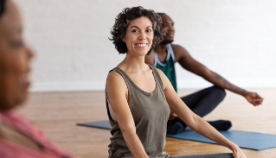






















Try This Today
- Practice Half Moon pose — watch Denise Austin demonstrate this pose in the video above.
- Hold the pose for 30 seconds on each side.
- Breathe deeply while holding the pose.
- Adapt the pose to your level of fitness. For example, if you need help balancing, pose near a wall, or place a chair or block on the floor so you don’t have to reach down as far. Yoga should not be painful, so back off a little on your stretch if it hurts.
- To build your yoga routine, add the Side Plank pose.
Why
Yoga can help improve your balance, strength and flexibility. The Half Moon pose stretches your hamstrings, calves, chest and spine while helping you improve your balance. According to the National Center for Complementary and Integrative Health, preliminary research indicates that yoga may help relieve stress and improve mental health. In a group of 52 women in Iran, average age 33, stress, depression and anxiety significantly decreased after 12 sessions of yoga (three sessions a week for four weeks), according to a report published in 2018 in the International Journal of Preventive Medicine.


More From Staying Sharp
Start Exercising to Improve Health
Get tips to overcome exercise barriers and start moving
Everyday Movement Can Lead to a Healthier You
Learn how everyday activities can improve your health and fitness
3 Ways Black Americans Can Combat Dementia
Simple lifestyle changes can offer powerful protection