


Assessment






















Robin Skjoldborg/Getty Images
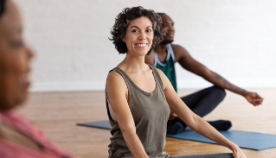
The word is out that mindful exercises such as tai chi and yoga can support brain health. Research also shows that slow movements can help you sleep. But have you heard about somatics?
Featuring gentle, intentional movements, Hanna Somatic Education has been around since movement educator Thomas Hanna devised the program some 50 years ago. Over the past year or so, somatic exercise has become a wellness trend.
Instead of just working or stretching muscles, somatic exercise aims to change movement patterns that may be causing tension and pain. (The word “soma” is Greek for body.) The idea is to do slow moves while being hyperaware of sensations in your body, a process called interoception. The exercises link mind and body to help the brain learn — or relearn — how to get muscles back into healthy movement patterns, which may help ease pain and tension.
“The brain loses control of muscles due to stress, injury or habits. Clinical somatic education is a method to remind the brain that it can take back full control of muscle function. It teaches you how to sense when something is off balance, when there’s a pattern of compensation,” says Gena Rho, a certified clinical somatic educator in Maplewood, New Jersey. For example, you may be unconsciously contracting your jaw or shoulders or walking in a slump because your back muscles are clenching. Somatics aims to help you reconnect and better control muscles that may contribute to tension. “We want you to understand more about yourself, which is why we call it education. These are movement explorations,” Rho says.
Somatics for brain health
Though research on somatic education is limited, a study of 103 people in the Saudi Journal of Medicine & Medical Sciences published in 2022 found that even a few sessions significantly improved chronic back and neck pain.
Research also shows that similar exercises focusing on body awareness can support brain health. A review and meta-analysis of 29 studies associated mind-body exercises, such as tai chi, with reduced blood markers linked to inflammation. The review, which included 2,253 people ages 18 to 85 with mental health disorders or brain disorders such as Alzheimer’s, was published in 2026 in Brain, Behavior, & Immunity – Health.


More From Staying Sharp
Use the POP! Tool to Fit Movement Into Your Day
A flexible approach to staying active through busy days
Pilates for a Healthier Body and Brain
Enhance focus and sleep with Pilates, a holistic exercise for overall well-being
Quiz: How Exercise Powers Up Your Brain
Test your knowledge of how staying active supports brain health