
Assessment
CLOSE ×
Search
Popular Searches
Suggested Links


AARP Membership — $15 for your first year when you sign up for Automatic Renewal
Get instant access to members-only products and hundreds of discounts, a free second membership, and a subscription to AARP The Magazine.


Assessment












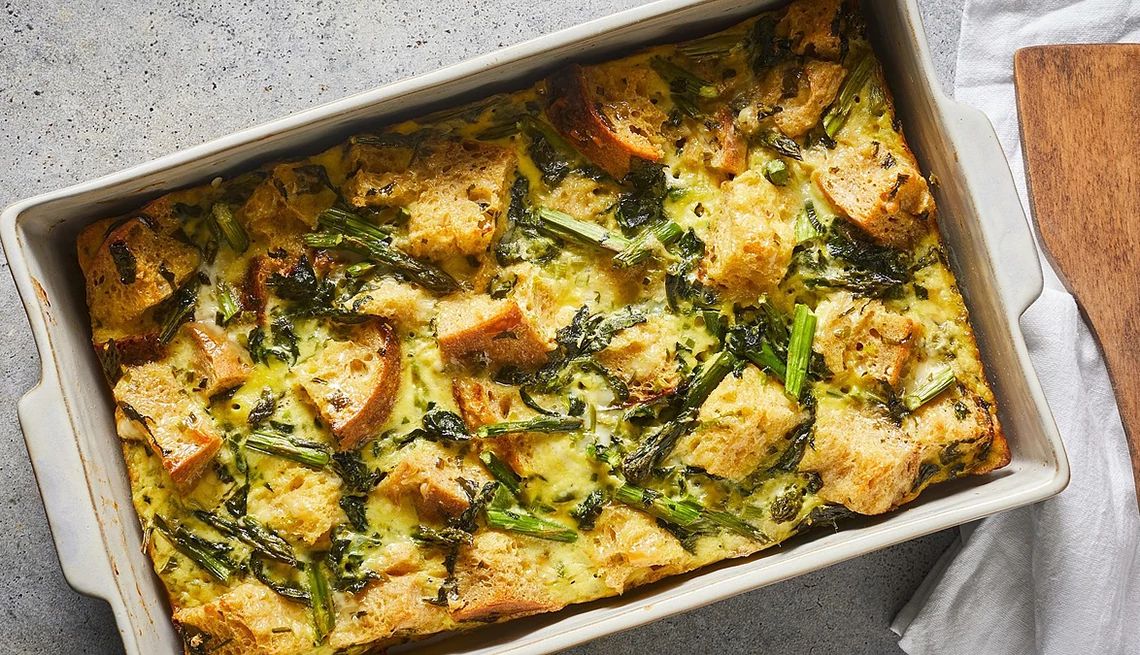
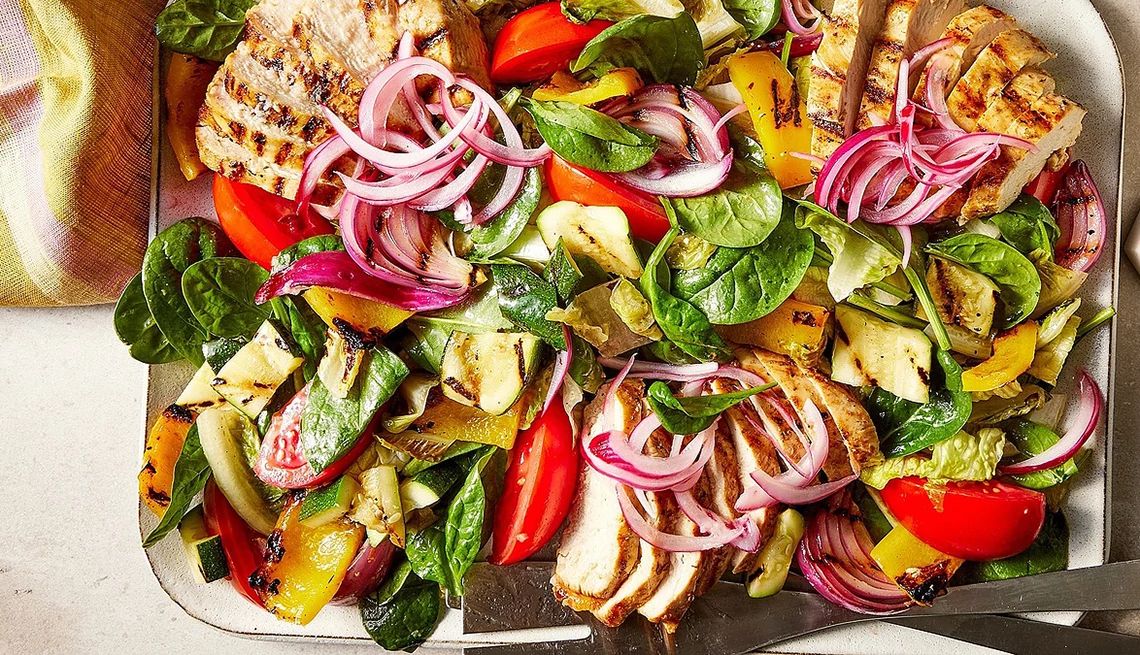
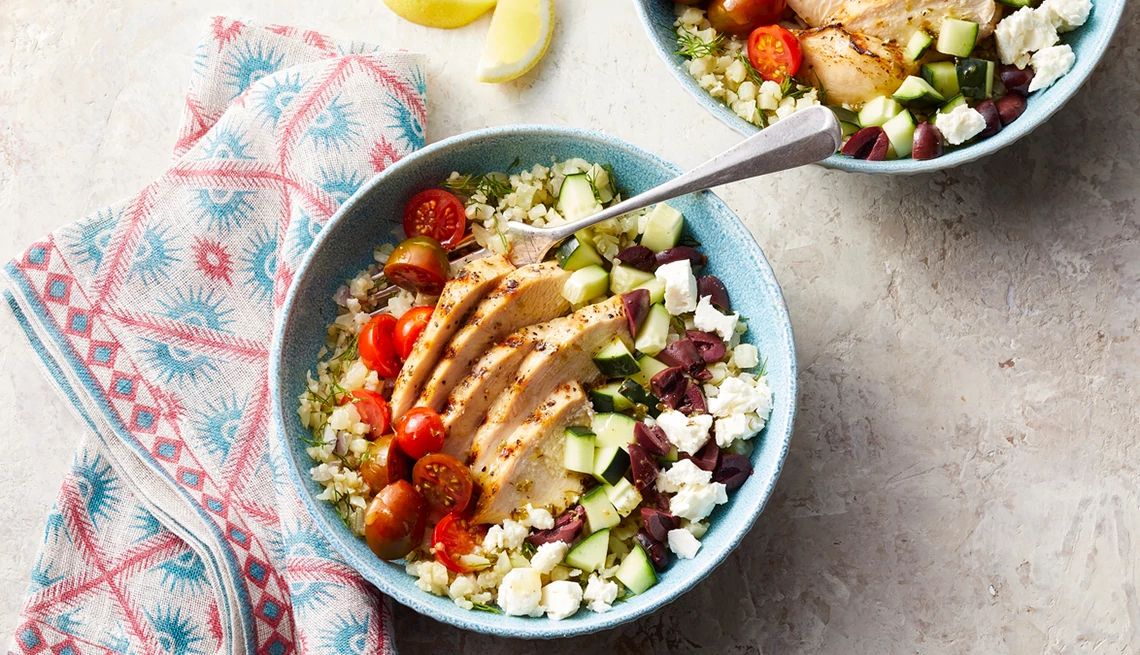
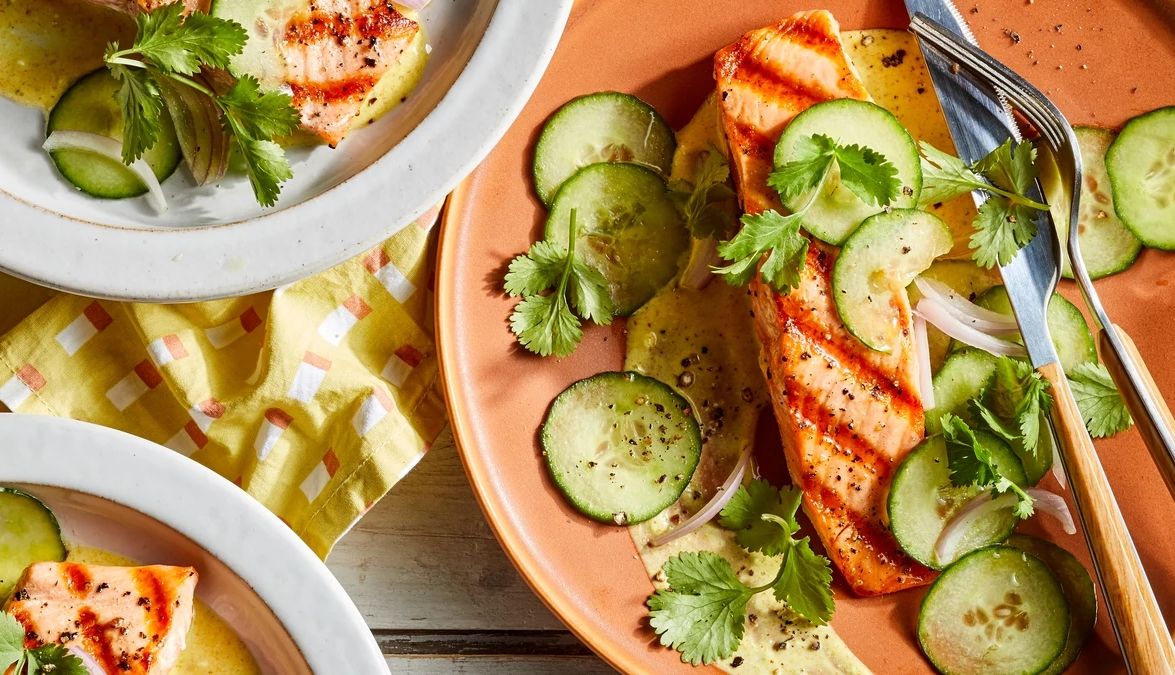
Meal Plans




More From Staying Sharp
Sleeping Pills May Impact Memory Loss
Learn how to sleep better without medication and reduce your risk of memory issues
Calm Your Mind for More Restful Sleep
Try these techniques to break the cycle of stress and sleeplessness
A Healthy Diet May Be Linked to Better Sleep
Understand how your diet influences your sleep quality and find ways to improve it