


Assessment
























Extreme Media/Getty Images
Quick Win
Resilience is a skill that can be strengthened through practice. Simple activities such as picking up a new hobby and being more mindful can help build resilience.
Try This Today
- Embrace optimism. When a situation arises, look for the positive over the negative. Ask yourself: How is this situation presenting me with an opportunity?
- Practice mindfulness. Being mindful can help you to regulate your emotions and increase your objectivity, leading to better decision-making and optimism. For a simple mindfulness exercise, sit quietly and focus on your breath. Start with five minutes a day and work your way up from there.
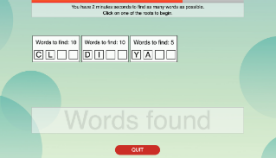
- Stretch your mental agility. Step outside your comfort zone and challenge yourself to try something new. You could learn a few words in a foreign language each day, read a book on an unfamiliar subject, or pick up a new game (which may also improve your working memory). Strengthening your ability to process and adapt to information can help you to tackle adversity.
- Nurture your social connections. Social support can increase your resilience to stress. Sometimes we lose touch with people, so take a moment to reconnect. Send a quick text to an old friend or stop and chat with a neighbor when you’re out for a walk.
Why
Humans are good at adapting to hardships — and we can even teach ourselves to become more resilient. “It’s just a matter of getting better at it with practice, like building up any muscle in the body,” says Eva Selhub, M.D., a resiliency expert and author of Resilience for Dummies.
Practicing mindfulness can help. In a Frontiers in Psychology study published in 2022, researchers asked 231 Malaysian adults ages 18 to 40 to engage in daily guided mindfulness practices. At the end of a four-week study period, those who displayed more mindfulness via a questionnaire reported higher psychological well-being and lower psychological distress. A review published in 2020 in Neuroscience & Biobehavioral Reviews found that people who felt socially connected, loved and cared for had a lower risk of death and detrimental health conditions, such as depression, compared with people who were socially isolated.


More From Staying Sharp
Stay Calm Despite Emotional Distractions
Deal with difficult feelings using the RAIN mindfulness technique
Brighten Someone’s Day With Kindness
Helping others may improve your mood and sense of connection
A Compassion Practice for Opening the Heart
It begins by imagining yourself surrounded by the most loving beings